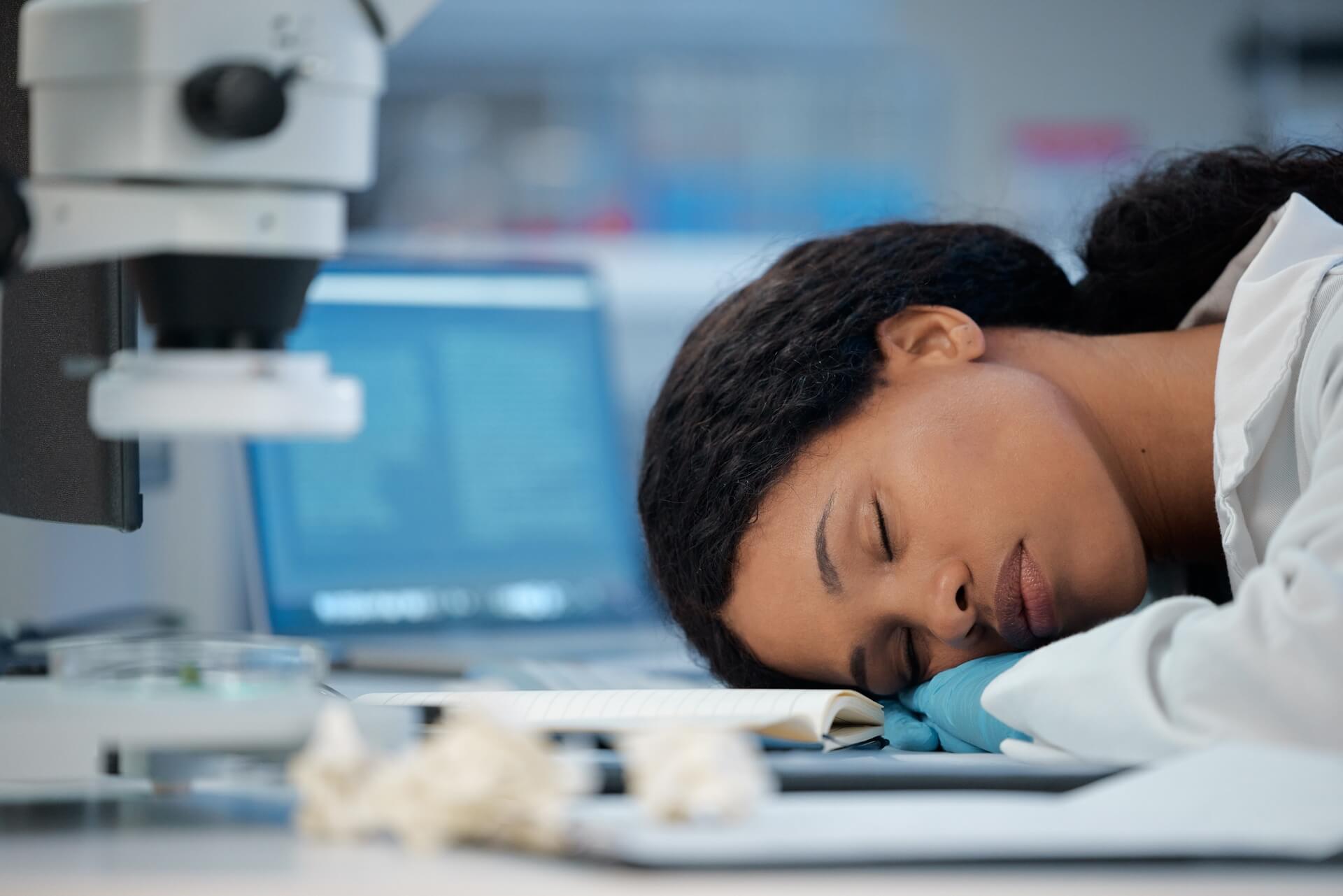
Sleep is often treated as a passive activity, something that simply happens at the end of a long day. In reality, sleep is an active biological process, deeply connected to physical recovery, mental clarity, and long-term health. In recent years, the concept of biohacking sleep has gained attention as more people search for practical ways to improve rest without relying on extreme routines or medical shortcuts.
The idea is simple: instead of forcing the body to sleep better, we optimize the conditions that allow sleep to happen naturally. Small, consistent changes can make a measurable difference over time, improving not only how long we sleep, but how well we recover.
🧠 Why Sleep Is the Foundation of Health
Sleep affects almost every system in the body. When rest is insufficient or fragmented, the consequences go far beyond feeling tired. Cognitive performance drops, emotional regulation weakens, and physical recovery slows down.
Modern lifestyles often disrupt natural sleep patterns. Artificial light, irregular schedules, constant notifications, and high mental stimulation all interfere with the body’s ability to shift into rest mode. This is why biohacking sleep focuses on restoring balance rather than chasing perfection.
Quality sleep supports:
- Energy and focus throughout the day
- Hormonal balance, including stress and appetite regulation
- Immune function and tissue repair
- Mental resilience and emotional stability
Understanding sleep as a foundation, not a luxury, is the first step toward meaningful improvement.
🔬 What Biohacking Sleep Really Means
Biohacking is often misunderstood as something extreme or experimental. In reality, it’s about observing how your body responds to specific inputs and making informed adjustments.
When applied to sleep, biohacking is not about rigid rules or aggressive interventions. It’s about awareness, experimentation, and sustainability.
Listening to your body, not forcing it
True sleep optimization respects individual differences. Some people recover better with earlier bedtimes, others benefit from longer wind-down routines. Biohacking sleep encourages adaptation instead of imitation, avoiding one-size-fits-all solutions.
The goal is not to control sleep, but to remove obstacles that prevent it from working properly.
🧪 The Science Behind Sleep Optimization
Sleep is regulated by a complex interaction between biological rhythms, environmental cues, and behavioral habits. Understanding these mechanisms helps explain why small changes can have a big impact.
Circadian rhythm and light exposure
The circadian rhythm is the body’s internal clock, largely influenced by light. Exposure to natural light during the day helps regulate melatonin production, while excessive artificial light in the evening can delay sleep onset.
Simple strategies include:
- Getting daylight exposure early in the morning
- Reducing screen brightness in the evening
- Using warmer lighting after sunset
These adjustments help realign the circadian rhythm without drastic lifestyle changes.
Temperature, noise and sleep environment
The sleep environment plays a crucial role in sleep quality. A slightly cooler room, reduced noise, and minimal visual stimulation all signal the body that it’s time to rest.
Even small improvements, such as breathable bedding or consistent airflow, can support deeper and more restorative sleep.
🌿 Everyday Habits That Improve Sleep Quality
One of the most effective aspects of biohacking sleep is focusing on daily habits, not just nighttime routines. Sleep begins long before you get into bed.
Key habits that influence rest include:
- Consistent sleep and wake times, even on non-working days
- Evening routines that gradually reduce stimulation
- Balanced meals, avoiding heavy food late at night
- Caffeine awareness, not just quantity but timing
Physical activity also plays a role. Regular movement supports sleep, while intense exercise too close to bedtime may interfere with recovery. The balance between effort and rest is essential for recovery and rest.
📱 Technology, Tracking and Awareness
Technology can be both a problem and a solution when it comes to sleep. Screens, notifications, and constant connectivity often disrupt rest, yet the same tools can offer insight when used consciously.
When sleep tracking helps
Sleep tracking devices and apps can increase awareness by highlighting patterns related to bedtime consistency, sleep duration, and perceived recovery. Used correctly, data can guide adjustments rather than create anxiety.
The key is to avoid obsession. Numbers should support intuition, not replace it.
Tech wellness and digital balance
Excessive screen time, especially in the evening, contributes to mental overstimulation and digital fatigue. Reducing digital input before bed is one of the most effective biohacking strategies.
This theme connects closely with broader challenges discussed in Digital Burnout: How to Stay Productive Without Burning Out, where constant connectivity is shown to impact not only productivity, but recovery and wellbeing.
🌙 Biohacking Sleep as a Long-Term Strategy
Improving sleep is not about chasing perfect nights, it’s about building resilience over time. Biohacking sleep works best when viewed as a long-term investment rather than a quick fix.
Small changes compound:
- Better sleep supports better decisions
- Better decisions support healthier habits
- Healthier habits reinforce better sleep
This virtuous cycle aligns with the broader concept of health optimization through daily routines, already explored in Biohacking Your Daily Life: Productivity, Health and Beyond.
Sleep becomes not just recovery, but a tool for sustainable performance.
🌌 Conclusion: Sleeping Better, Not Just Longer
At its core, biohacking sleep is about respect for the body’s natural intelligence. Instead of forcing rest through rigid schedules or external aids, it encourages environments and habits that allow sleep to emerge naturally.
By focusing on light, routine, environment, and awareness, it’s possible to improve sleep quality without radical changes. Over time, these small adjustments lead to better energy, sharper focus, and stronger recovery.
In a world that often rewards constant activity, learning how to rest well may be one of the most powerful skills we can develop. 😴✨